
The Sign Maker: Beautiful House Signs, Memorial Plaques, Wedding items, Wheel Covers & Business Signage
Will My Wooden Sign Rot? How to Make a Wooden Sign Last for Years: Will My Wooden Sign Rot? How to Make a Wooden Sign Last for Years
Will My Wooden Sign Rot? How to Make a Wooden Sign Last for Years
Date Added: 18/08/2026 @ 3:09pm
If you're thinking about buying a wooden house sign, business sign or memorial, you may understandably have one question:
Will my wooden sign eventually rot?
Wood is a natural material and, when placed outdoors, it will be exposed to rain, sunlight, frost, changing temperatures and moisture. However, that doesn't mean a wooden sign will quickly deteriorate.
In fact, a well-made wooden sign using the right timber, combined with regular maintenance, can last for many years. A properly cared-for oak sign can potentially last for decades.
The important thing to understand is that wooden signs aren't completely maintenance-free. Just like wooden windows, doors, garden furniture or gates, they need a little care to keep them looking their best and protect them from the elements.
So, how long can a wooden sign last, and what should you do to look after it?
Will an Outdoor Wooden Sign Rot?
Eventually, any timber can deteriorate if the conditions allow moisture and decay to take hold. However, choosing a durable timber and looking after it correctly makes an enormous difference to its lifespan.
At The Sign Maker, we use carefully selected timbers for our outdoor wooden signs and memorials, with Oak and Iroko being two of our most popular choices.
Both are durable hardwoods, but they have quite different characteristics and maintenance requirements.
The key with any wooden sign is simple:
Don't install it and forget about it.
Regularly checking your sign and maintaining its protective finish will help prevent water from penetrating the timber and keep it looking beautiful for years to come.
Iroko Signs – Naturally Durable and Oily
Iroko is one of our favourite timbers for outdoor signs and memorials, particularly when customers are looking for a naturally durable option.
It is an extremely stable hardwood and is naturally rich in oils, giving it excellent resistance to moisture and decay.
Iroko has traditionally been used for demanding outdoor applications, including boat building and external joinery, which gives you a good indication of just how well suited it is to life outdoors.
Because Iroko contains so much natural oil, we don't recommend varnishing it. Instead, our preferred treatment is Devon Oil.
How Often Should You Oil an Iroko Sign?
To keep an Iroko wooden sign or memorial looking its best, we recommend applying Devon Oil approximately three to four times a year.
This is a relatively simple job. The oil can be wiped over the timber with a cloth, helping to nourish the wood and enhance its beautiful natural colour.
If Iroko isn't regularly oiled, it doesn't mean the sign will suddenly rot. In fact, Iroko can be left untreated and will naturally weather over time.
However, its appearance will change, gradually losing its rich colour and developing a more weathered grey finish.
If you want your sign or memorial to continue looking as close as possible to the day it arrived, regular oiling is the key.
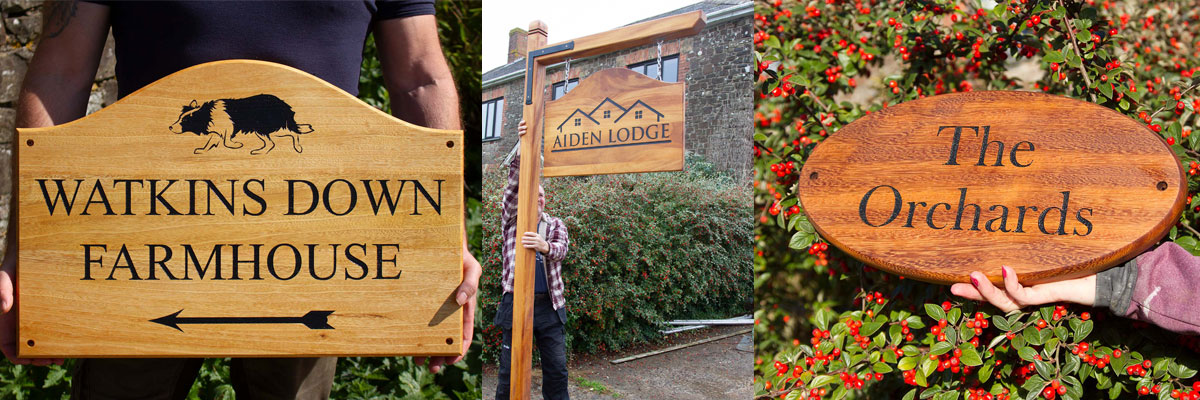
Oak Signs – Beautiful, Traditional and Made to Last
Oak remains one of the most popular timbers for wooden house signs, and for good reason.
English Oak is strong, heavy and durable, with beautiful natural variations in grain, colour, knots and markings. With the correct care, an Oak sign can last for many years and potentially decades.
However, Oak does require more attention than Iroko.
For most of our Oak signs, our recommended finish is a satin varnish, which creates a protective barrier between the timber and the weather.
The initial varnish should generally protect the sign for around one to two years, although this will always depend on its location and how exposed it is.
After this, we recommend maintaining the sign approximately once a year.
This involves:
- Lightly sanding the existing surface.
- Making sure the timber is clean and dry.
- Applying around two to three fresh coats of suitable exterior varnish.
It is much easier to maintain the protective coating regularly than to wait until it has completely broken down.
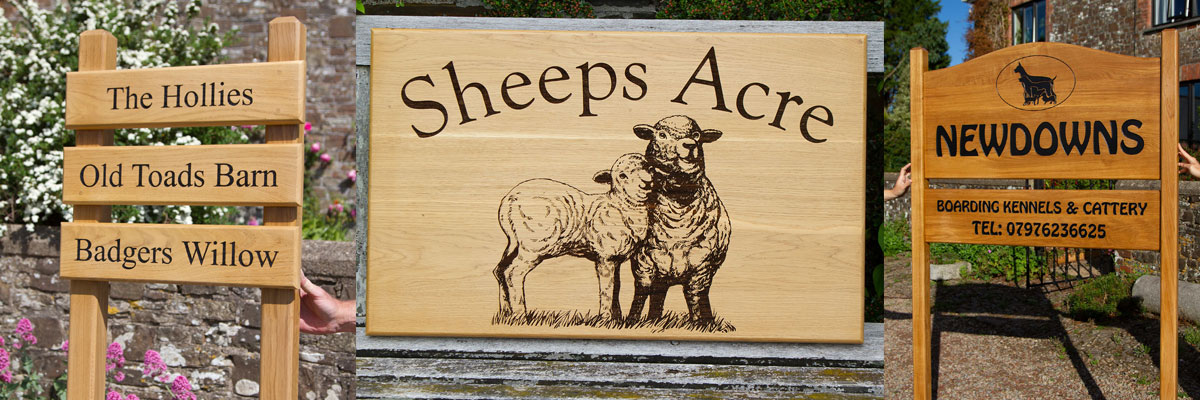
Why Can Oak Turn Black?
One of the things customers sometimes notice with poorly maintained Oak is dark or black areas developing within the grain.
Oak is naturally durable, but if its protective finish deteriorates and water begins penetrating into the timber, fungal activity can cause blackening within the grain.
Black staining does not necessarily mean that the Oak has rotted. It can be an indication that moisture has been getting into the timber and that the protective finish needs attention.
This is why we recommend checking an Oak sign regularly rather than simply waiting for a set number of years before maintaining it.
If you notice the varnish beginning to deteriorate, water penetrating the surface or areas where the timber is no longer properly protected, it's time to treat it.
Catching this early can make a significant difference to the long-term appearance and condition of your sign.
Can I Oil an Oak Sign Instead?
Oak can be oiled, and there are occasions where an oil finish is required or preferred.
However, an oiled Oak sign requires more frequent maintenance than one protected with our recommended varnish finish.
If your Oak sign has an oil finish, we recommend re-oiling it several times throughout the year to maintain protection and keep the timber looking its best.
Whichever finish you choose, consistency is important. Regular light maintenance is much better for your wooden sign than allowing the protective finish to completely fail before doing anything about it.
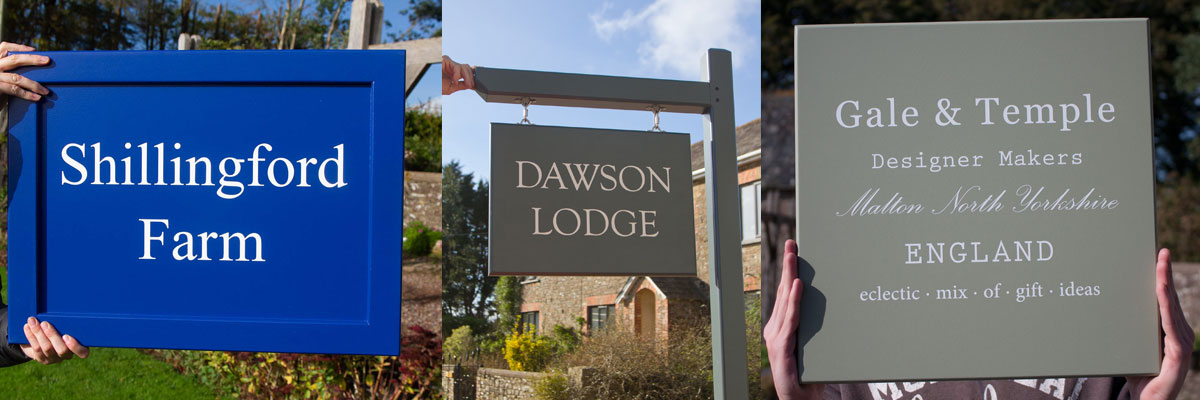
What About Painted Wooden Signs?
Painted wooden signs require slightly different care.
A quality painted sign has several layers protecting the timber underneath, making painted wooden signage an excellent option for businesses, entrance signs, hanging signs and house signs.
However, paint doesn't last forever.
Over the years, exposure to sunlight, rain and changing temperatures can cause areas of the painted surface to deteriorate.
The most important thing is to keep an eye out for areas where water could begin getting underneath the paint.
Look for:
- Chips or damage to the paint
- Small cracks
- Areas where paint is lifting
- Exposed timber
- Damage around edges, fixings or joints
If you notice a small area of damage, touching up the paint promptly can prevent water from getting behind the protective coating.
Again, prevention is much easier than waiting until moisture has had an opportunity to penetrate the timber.
Does the Location of My Wooden Sign Matter?
Absolutely.
Two identical wooden signs can require very different levels of maintenance depending on where they're installed.
A sign underneath a porch or sheltered entrance may receive relatively little direct rain and sunlight, while a sign positioned on an exposed gatepost could face driving rain, frost and strong sunshine throughout the year.
Signs in coastal locations can face particularly demanding conditions due to salt-laden air and strong weather.
South-facing signs can also experience greater UV exposure, while shaded or damp locations may take longer to dry following rainfall.
This means maintenance intervals should always be treated as a guide.
The best maintenance schedule is ultimately determined by the condition of your sign.
Check it regularly and, when the protective finish starts showing signs of wear, don't wait – give it the attention it needs.
How Can I Make My Wooden Sign Last Longer?
Fortunately, caring for a wooden sign doesn't need to be complicated.
A few simple habits can dramatically increase its lifespan:
- Choose a durable timber suitable for outdoor use.
- Use the correct treatment for your particular timber.
- Check the sign regularly for signs of water penetration.
- Reapply oil or varnish before the existing protection completely fails.
- Touch up damaged areas on painted signs promptly.
- Pay particular attention to signs in exposed locations.
- Follow the care instructions supplied with your sign.
Think of your wooden sign in much the same way as other quality exterior timber around your home.
You wouldn't expect wooden windows, gates or garden furniture to remain outside for decades without any maintenance. A handcrafted wooden sign is no different.
So, How Long Will a Wooden Sign Last?
There isn't one exact answer because every sign and location is different.
The timber, treatment, exposure to weather and level of maintenance will all influence its lifespan.
However, a high-quality wooden sign that is properly maintained can last for many, many years.
If you're looking for something naturally durable and relatively straightforward to maintain, Iroko is an excellent choice. Its natural oils make it particularly well suited to outdoor conditions, with regular applications of Devon Oil helping it retain its rich appearance.
If you love the traditional beauty and unmistakable grain of Oak, it is also an exceptionally durable choice – you simply need to be prepared to maintain its protective finish.
And with painted wooden signs, keeping on top of occasional chips or deterioration in the painted surface will help prevent water from reaching the timber underneath.
A Wooden Sign is Worth Looking After
One of the reasons people choose real wood is because it is a natural material.
Every piece has different grain, markings and character, and the timber will naturally respond to its environment over the years.
That does mean a little maintenance is required, but for many of our customers, it's a small price to pay for the warmth, character and traditional appearance that only real timber can provide.
So, will your wooden sign rot?
If you choose the right timber, treat it appropriately and look after it over the years, there is no reason why a quality wooden sign or memorial shouldn't provide you with many years of service.
The most important advice we can give is simple:
Check it regularly, keep it protected and don't wait for the finish to completely fail before carrying out maintenance.
A little care along the way can make all the difference.
Frequently Asked Questions
How often should I oil an Iroko sign?
We recommend treating Iroko with Devon Oil approximately three to four times a year if you want to maintain its rich colour and keep it looking its best.
How often should I varnish an Oak sign?
Our satin varnish treatment should initially last approximately one to two years depending on exposure. After this, we recommend checking the sign regularly and, when required, lightly sanding it before applying another two to three coats. As a general guide, this is likely to become an annual maintenance job.
Why has my Oak sign started turning black?
If water penetrates into Oak, fungal activity can cause areas of the grain to blacken. This isn't necessarily the same as the timber rotting, but it is a sign that moisture is getting into the wood and the protective finish requires attention.
Can I leave Iroko untreated?
Iroko is naturally oily and durable and can be left untreated outdoors. However, its appearance will change and the timber will gradually weather towards a grey or silver-grey colour. Regular Devon Oil treatments help maintain its richer appearance.
Do painted wooden signs need maintenance?
Yes. Check painted signs periodically for chips, cracks, lifting paint or exposed timber. Small areas should be touched up when required to help prevent water from getting underneath the protective painted finish.

Categories
None
Published by The Sign Maker
Our craftsmen make a huge range of signs, wheel covers, memorial plaques. printed canvas and personalised gifts. Give us a call - I am sure we can help.